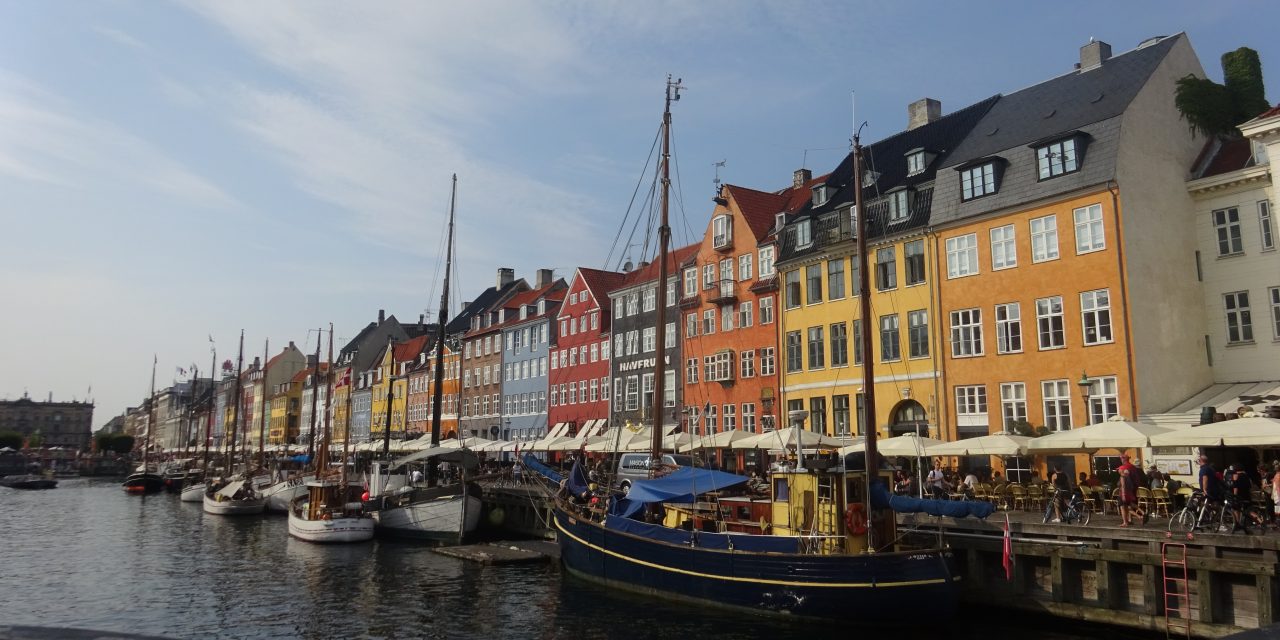
Museums in Poland aren’t just simple exhibitions of objects: the ones we saw were an authentic historical staging which immerses us in the country’s heavy past, both in its moments of glory and its moments of sorrow. It was a real surprise to see the quality of museums, which really aims for telling and not just exhibiting history, while creating a gut-wrenching atmosphere. If you’re looking for some advice, take at least 2-3 hours for each museum: it is worthy to appreciate every detail.
The first museum we visited was the Warsaw Rising Museum (25 zlotys -20 with student discount- about 5-6 euros). The museum, located in a former tramway power plant, tells the story of the courageous liberation attempt led by the Armia Krajowa (Home Army), the most important of Polish resistance movements, which tried to liberate the city from German occupation counting on the help of USSR’s troops, help that never came, condemning the uprising to failure.
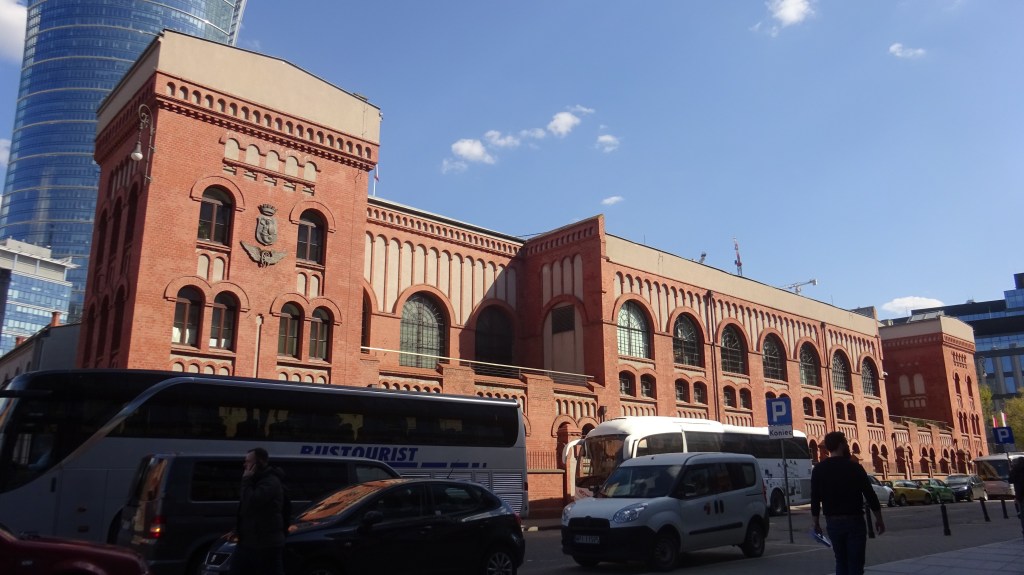
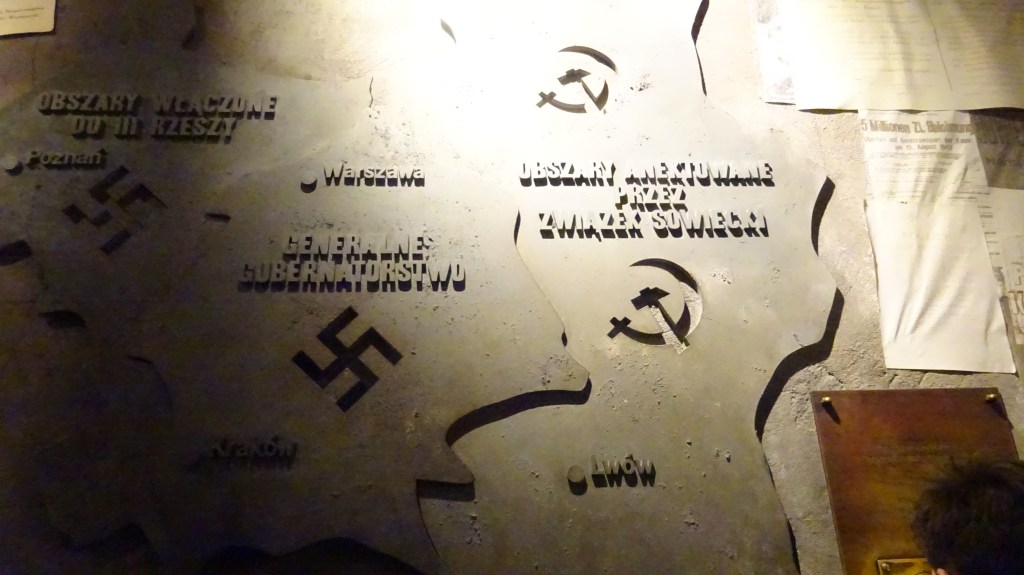
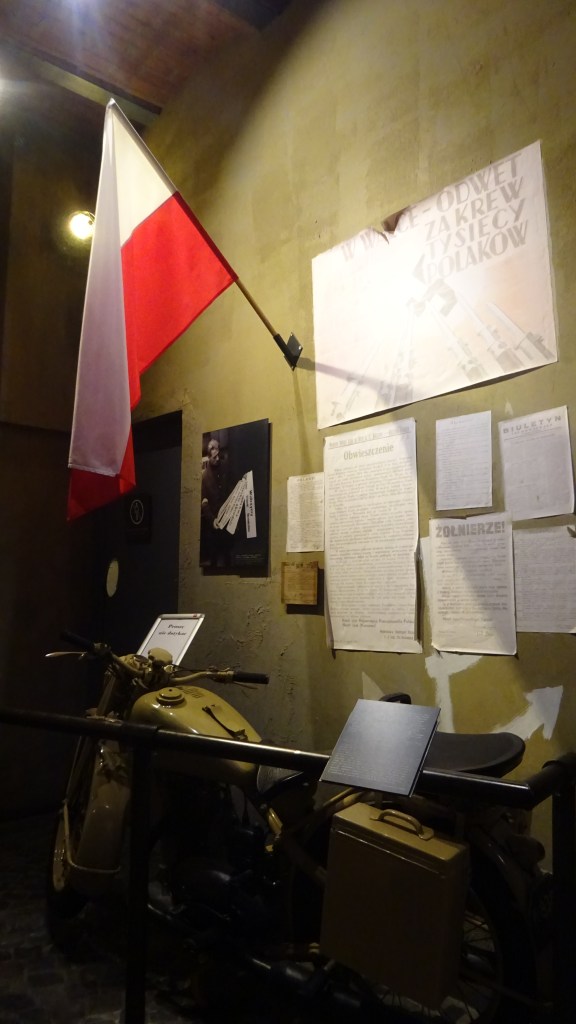
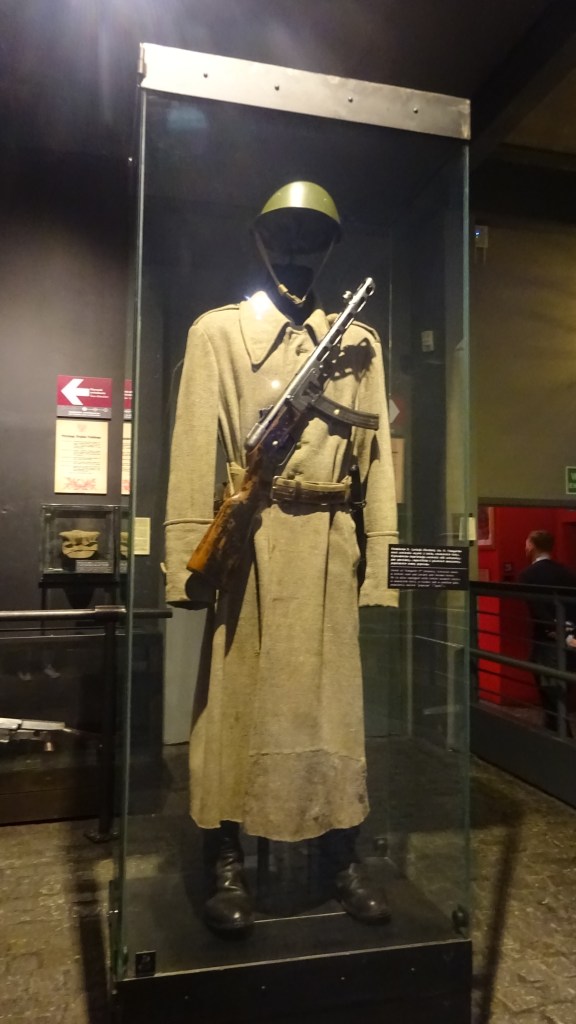
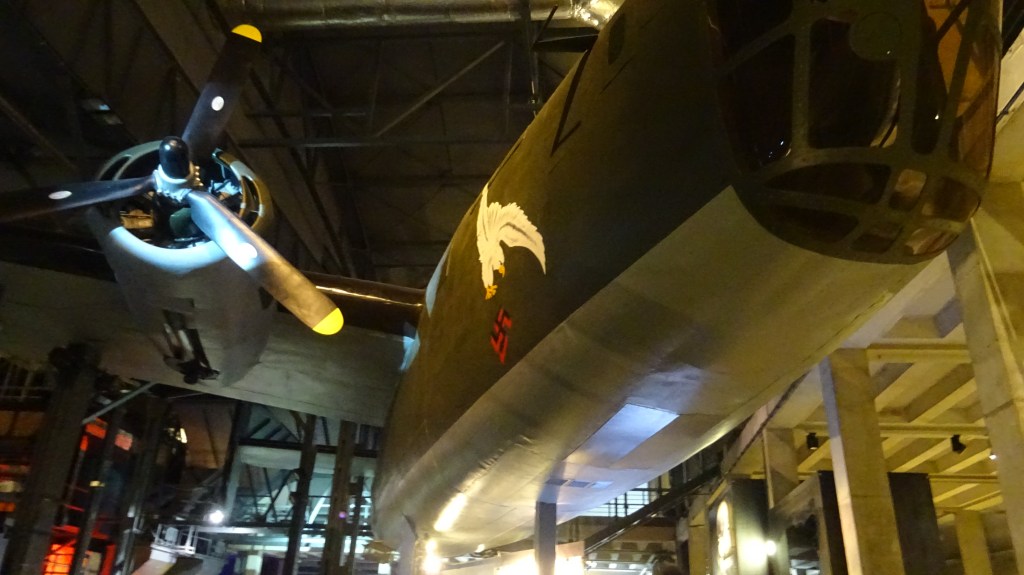
From the very first steps, the sound effects imitating the noises of bombings and planes flying over the town draws us into 1944’s Warsaw, a city under siege by German forces which no longer fights for victory, but for survival. The museum shows pictures, letters, uniforms, vehicles, propaganda leaflets, flags, a functional printing press with the actual ink used at that time, a full-size Allied bomber used by polish aviators and many other treasures which present the uprising in all its aspects. Be careful, some images can be shocking: pay attention to the various indications. Make sure to look around you: the museum offers before every exhibition sheets written in Polish or English which are in fact explanations. You can collect them and take them home with you in order to keep a little souvenir of the experience.
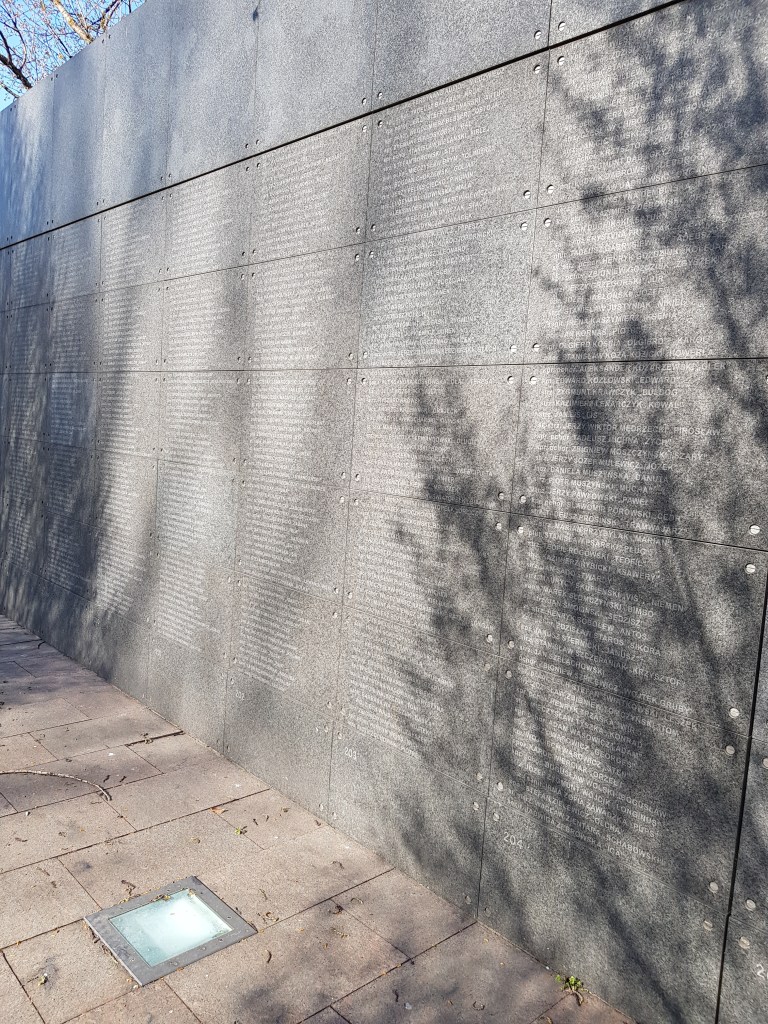
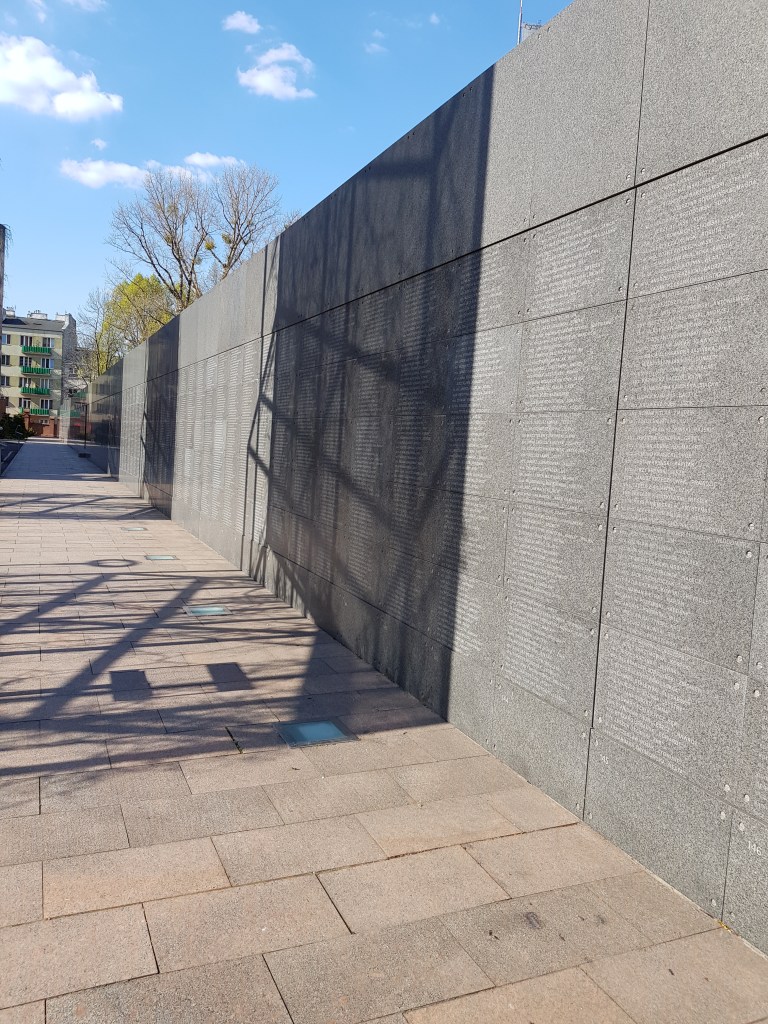
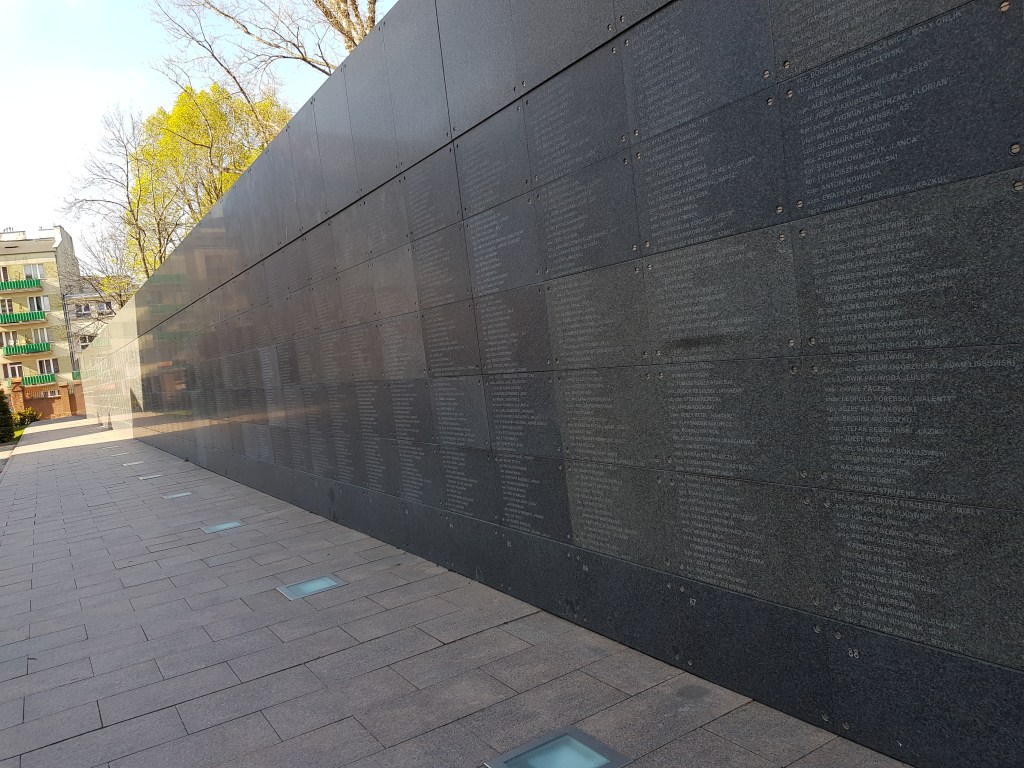
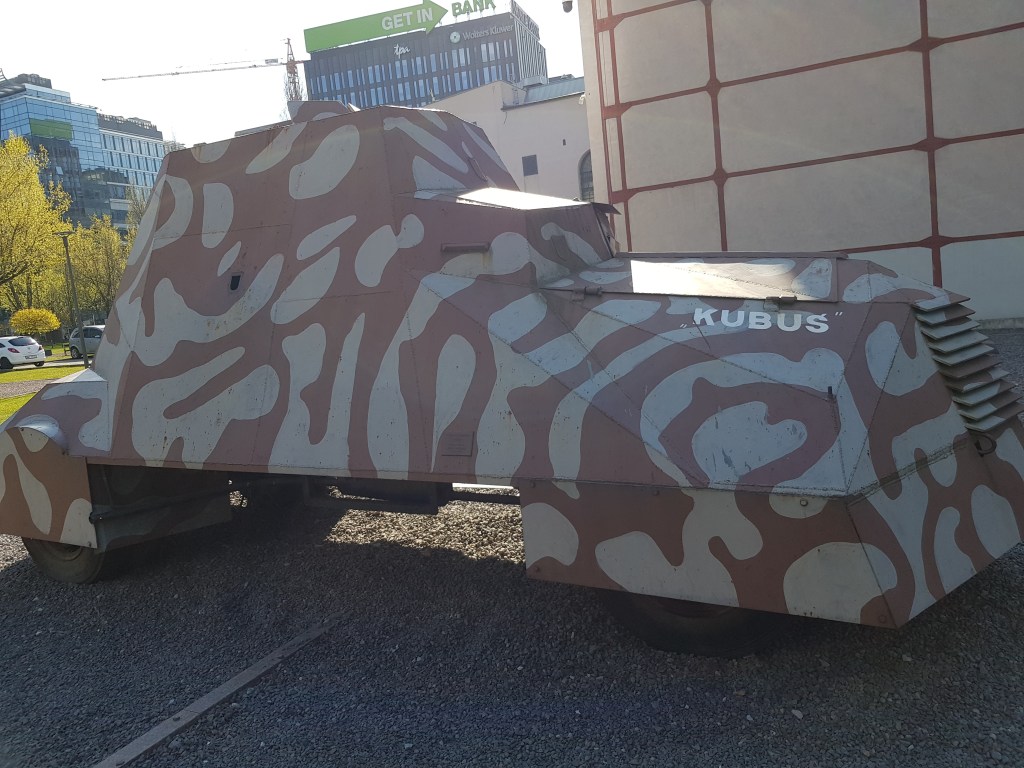
In the surroundings of the museum are located the “Freedom Park” with a monument in tribute to the commander of the uprising and the “Memorial Wall” with the names of around ten thousand insurgents involved in the uprising (written on it). Not far away, you can find a Kubus, an armored car improvised by the insurgents during the uprising.
The second museum not to be missed it’s the POLIN: Museum of the History of Polish Jews. This is the most expensive museum that we visited (27 zlotys -17 with student discount- about 6€), but the price is worthy regarding this incredible museum has to offer.
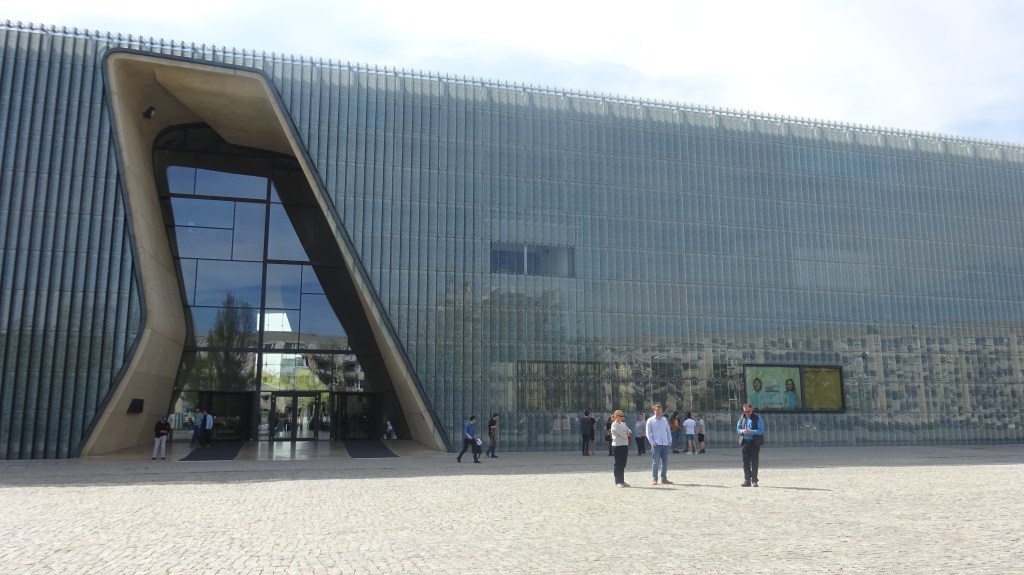
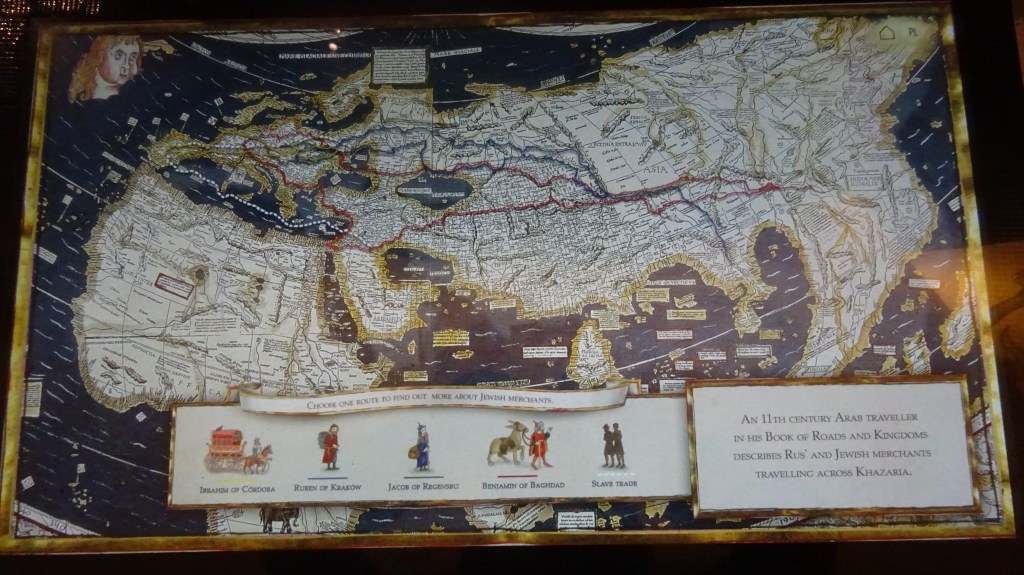
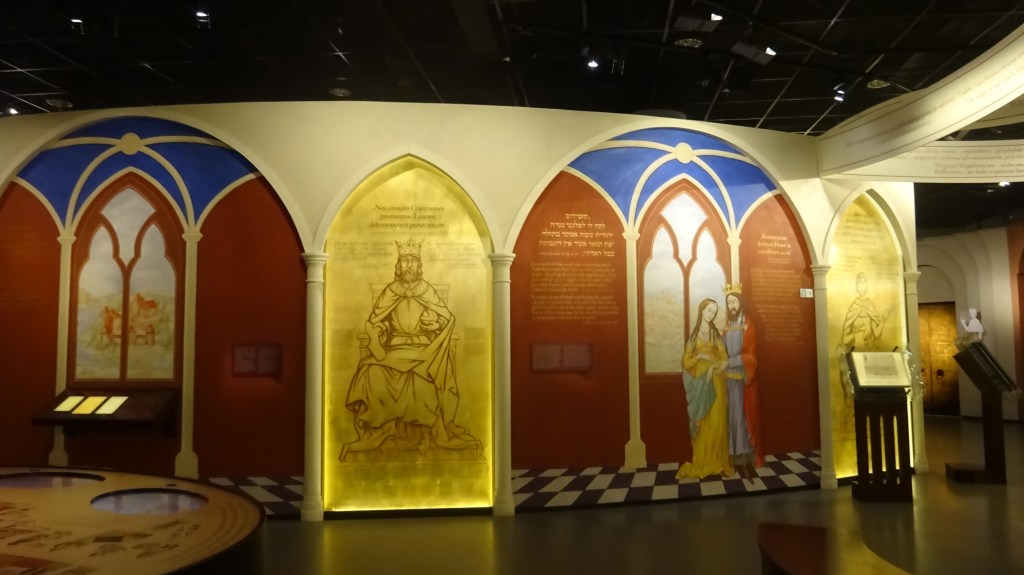
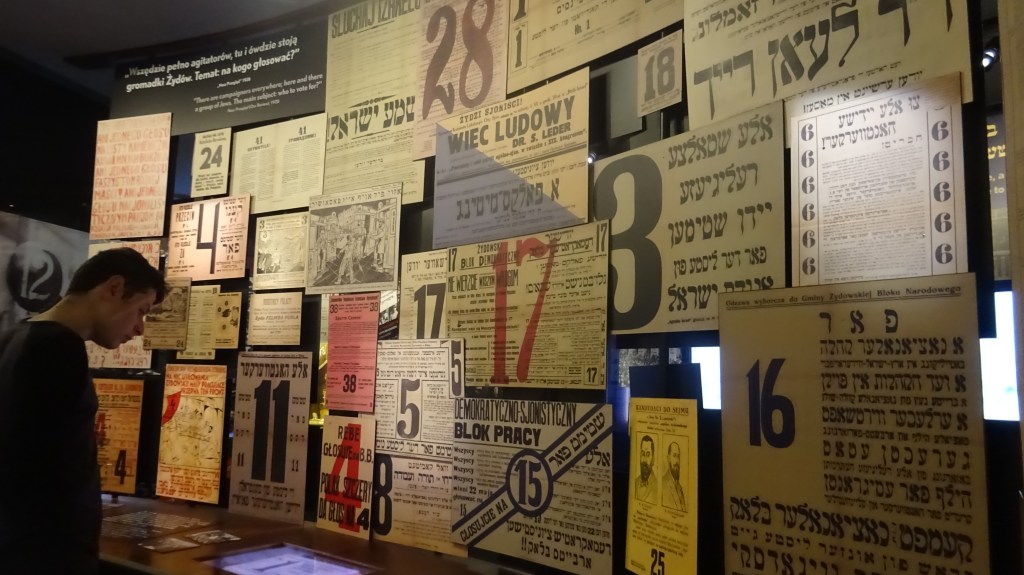
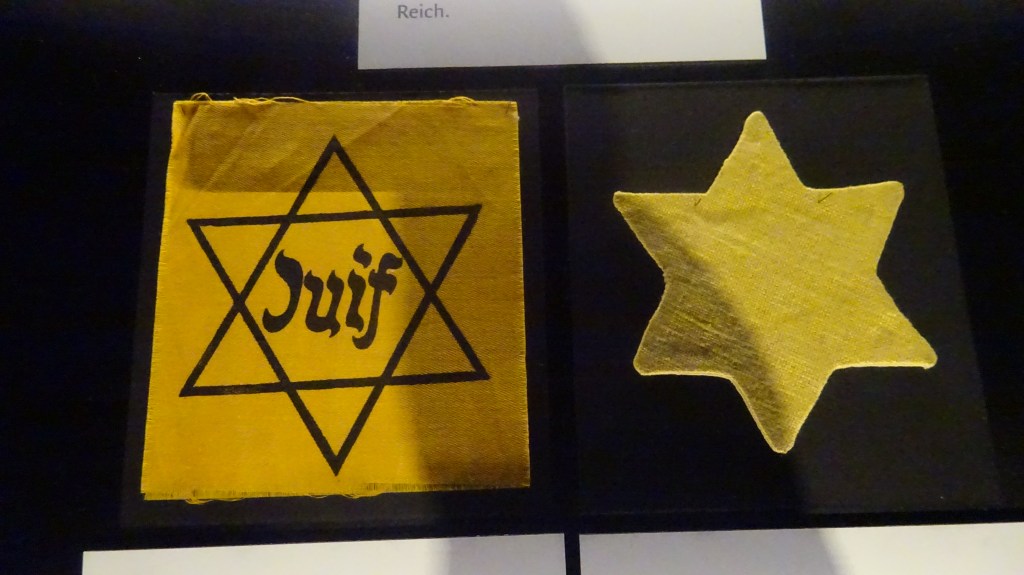
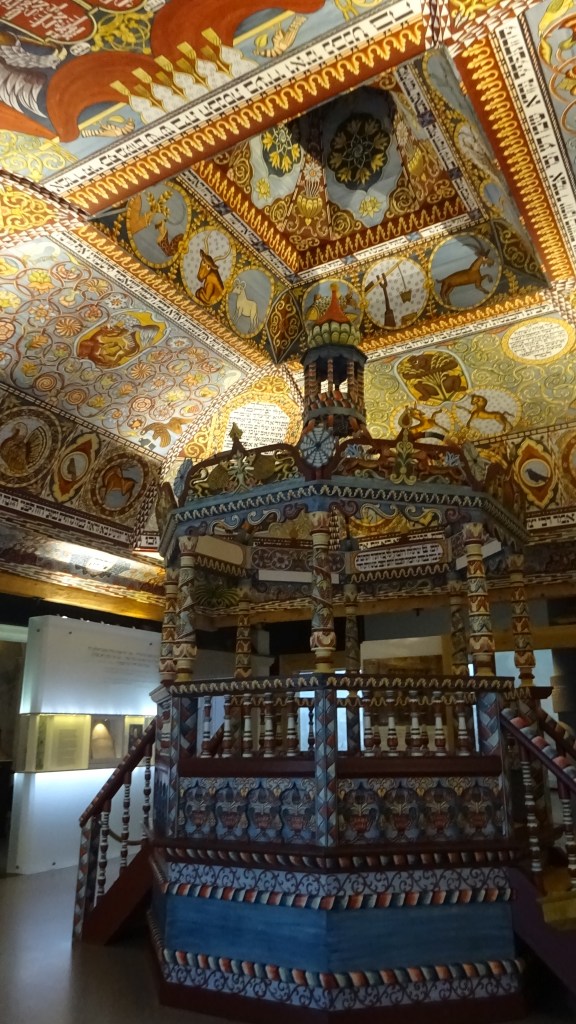
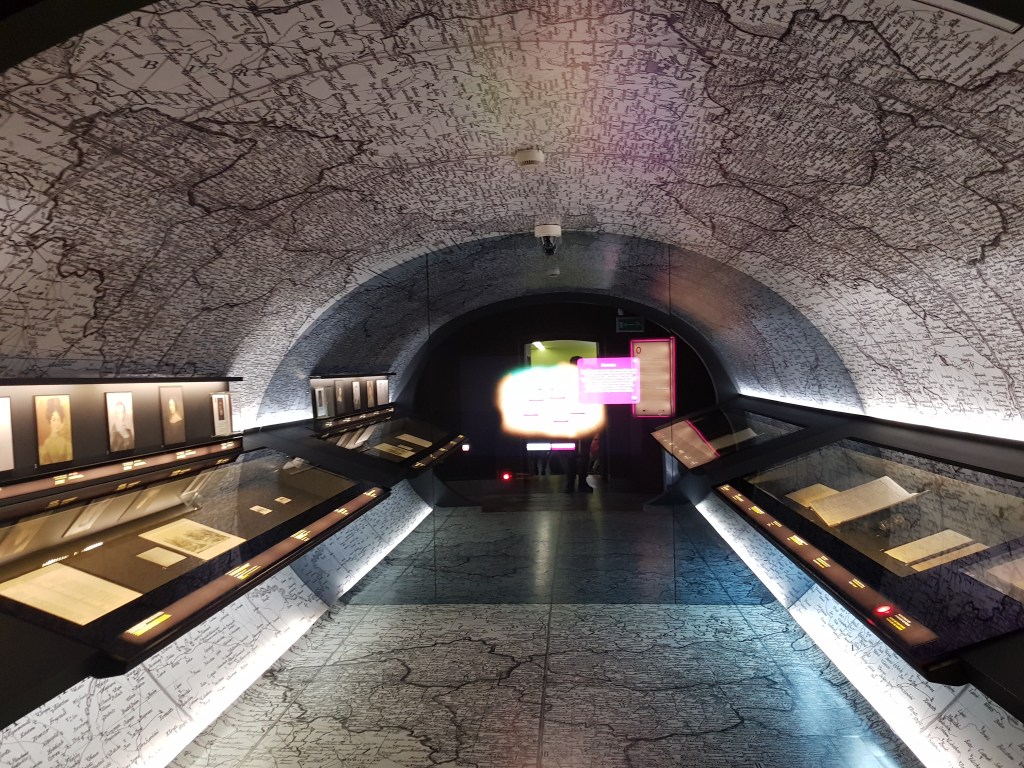
The museum presents a 1000-year History of Polish Jews through an interactive exhibition divided by eras, each one wonderfully staged: daily life objects, a build-in synagogue, a royal throne, archeological artifacts… all mixed with screenings, touch screens with information or quizzes. Once again, don’t hesitate to your take time to visit the museum, which deserves a long look.
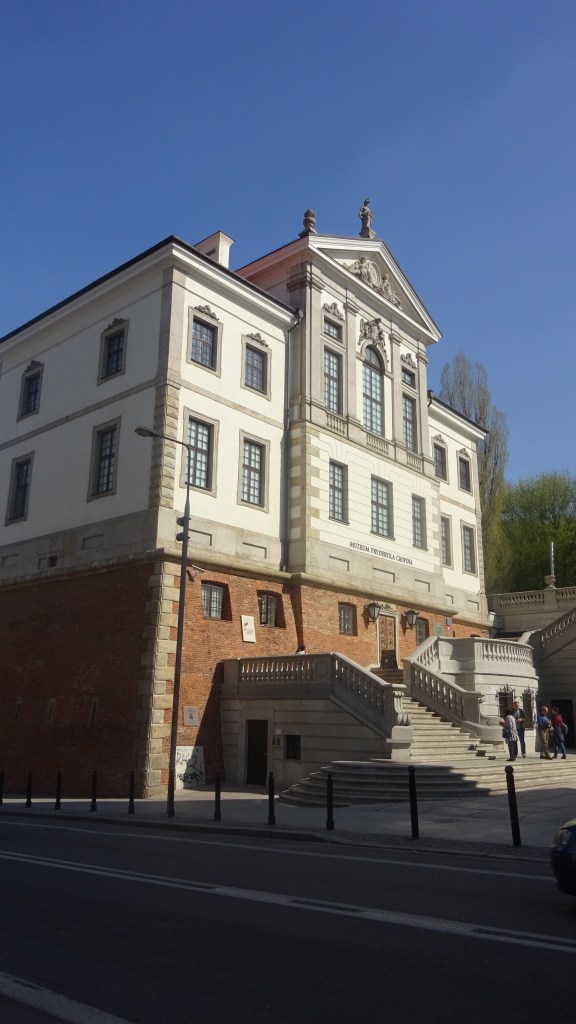
In a completely different genre, we decided to visit the Fryderyk Chopin Museum (22 zlotys -13 with student discount- around 3 to 5 euros, admission is free on Wednesdays according to the museum’s website).
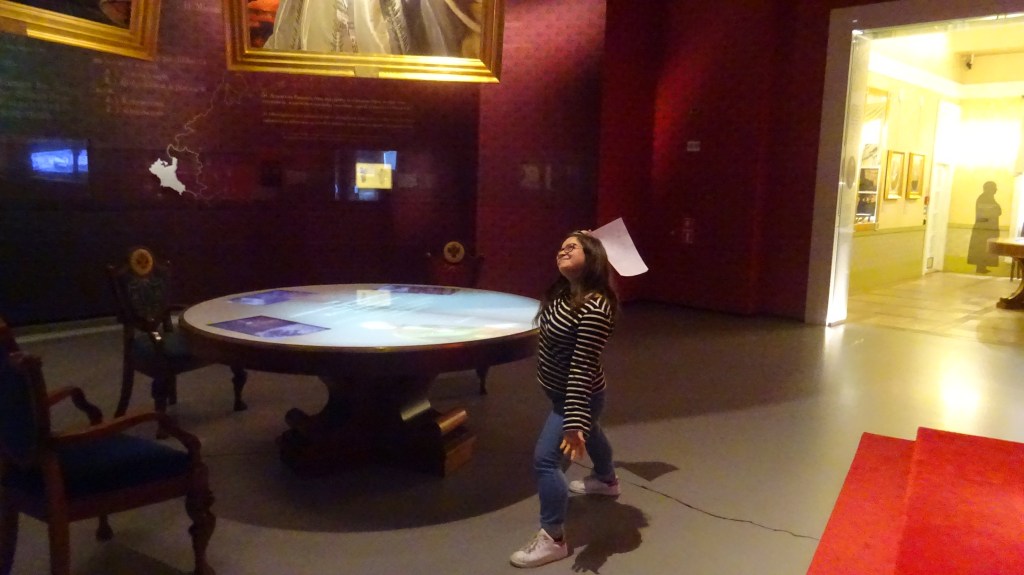
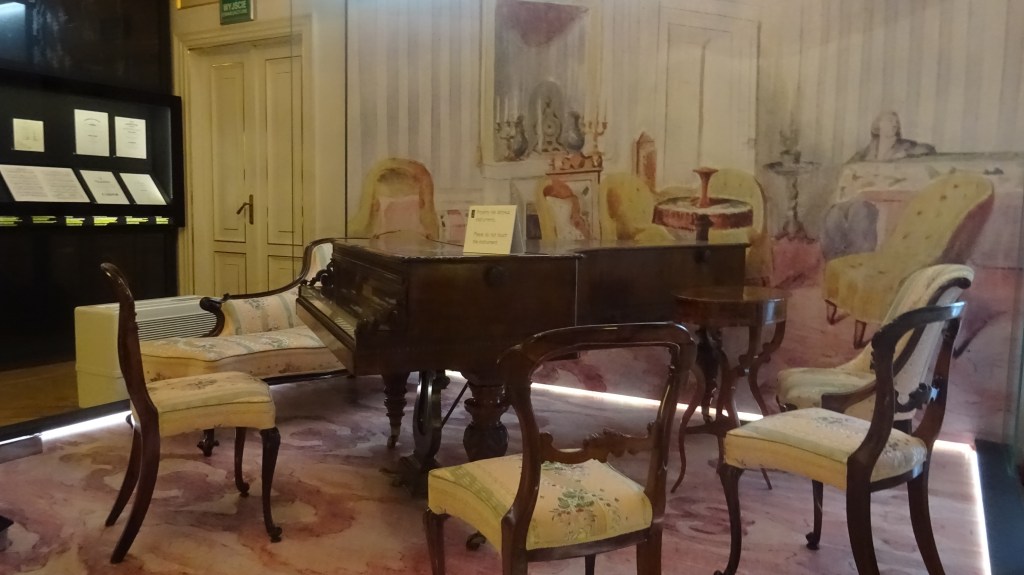
This museum is particularly interesting for connoisseurs and enthusiasts of classical music and we would have enjoyed it more if we had had more knowledge about this great composer or about classical music in general. The museum is almost only interactive: the admission ticket it’s a magnetic card which must be badged to launch explanatory videos as well as to listen to music fragments or to visualize images. The museum traces the history of the composer: his beginnings, his travels, his romances, the people who left a mark on him throughout his life. It also exhibits some personal items (even a lock of hair). The museum really explains the technicality of Chopin’s music and allows visitors to listen to the different types of melodies in a room intended to this purpose.
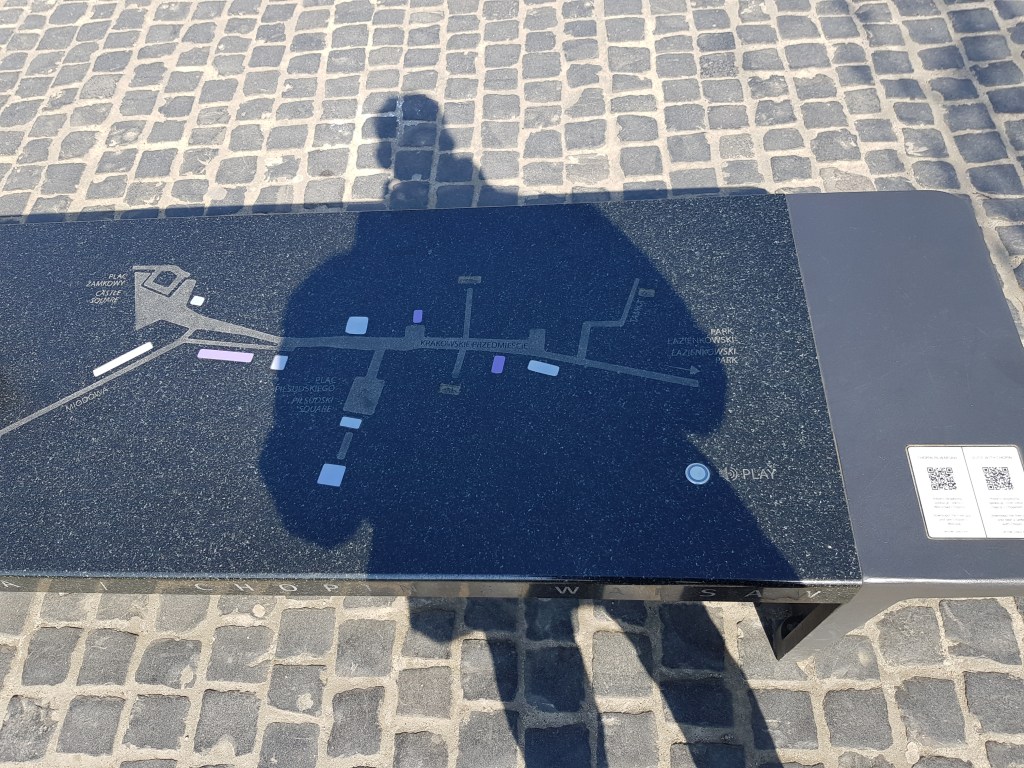
The importance of this composer can be seen throughout the city: benches present everywhere have buttons that you can press to listen to a fragment of music. It is very pleasant to walk along the squares of Warsaw hearing a fragment of Chopin’s music from time to time.
Museums in Warsaw are therefore great and elaborate structures. The atmosphere they create its unique and signs a memorable and unforgettable experience for the visitors, who are invited to open the door to the past and discover the history of Poland, the historical figures and the events that left a mark on it. The value for money is excellent. Those museums truly deserve the attention of the visitors. Don’t hesitate to take a day or two to see them!
Official web sites:
The Warsaw Rising Museum: https://www.1944.pl/en
POLIN Museum: https://www.polin.pl/en
The Fryderyk Chopin Museum: https://muzeum.nifc.pl/en//

 2 Steps Abroad