The roots of Poland’s history run very deep, a history that the events of the 20th century almost ended up burying. However, marks from this heavy past carried by the county are visible throughout the entire city of Warsaw. You only need to walk on its streets and its districts to find the scars left by the Second World War and look up at the architecture to find symbols of the Soviet presence.
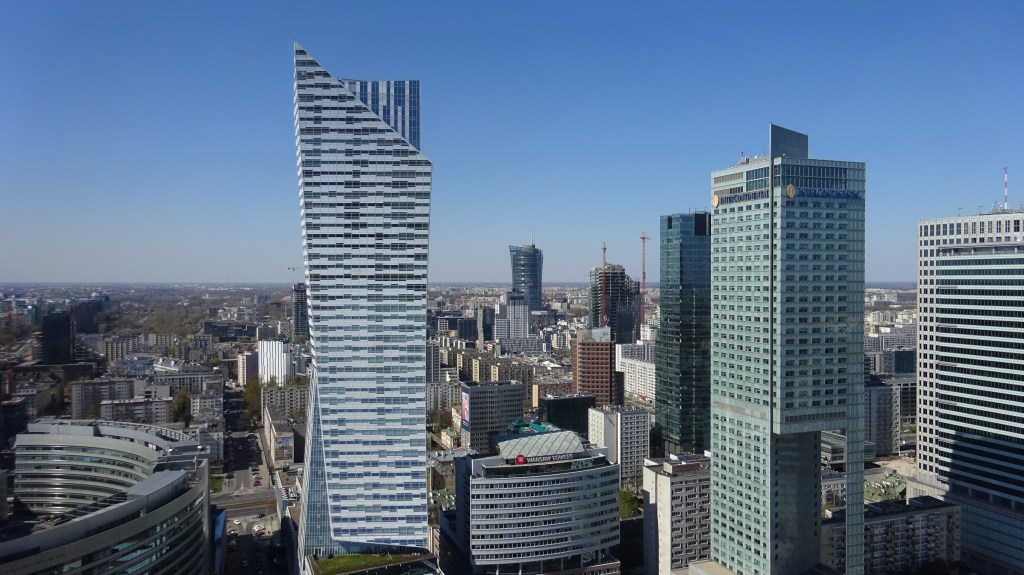
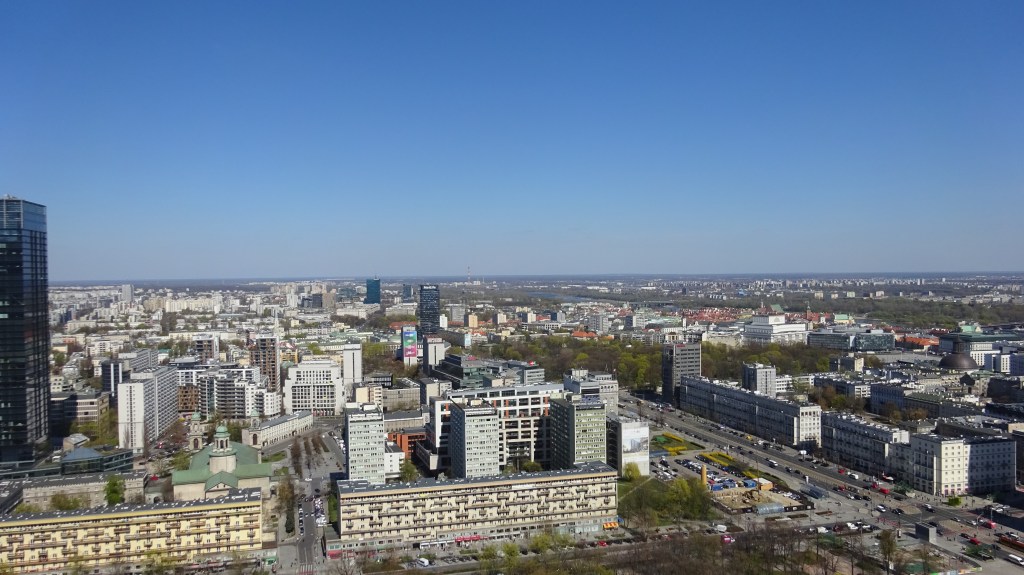
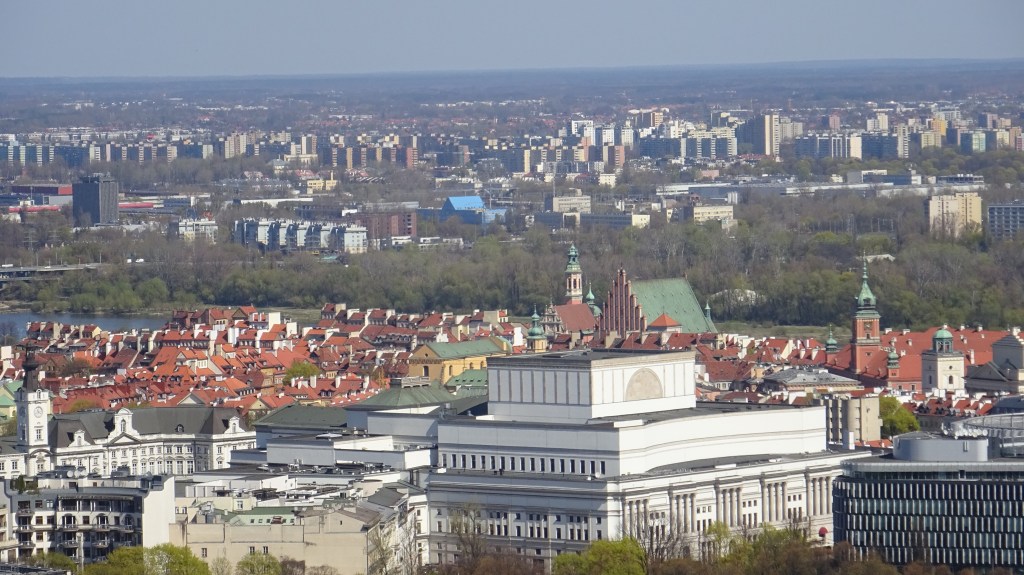
One of the most imposing monuments of the city it’s none other than The Palace of Culture and Science, “a gift” from Stalin (for information, the central train station is located just next to it). This impressive tower rises to the height of 231 meters, guarding over the Warsaw and was one of our main reference points, as it is impossible to not see. Inside, paid exhibitions can be visited. However, the main attraction is at the top of the building. We strongly recommend you to go up: for 20 zlotys (about 4,60€), the vantage point of the palace offers a 380 ° panoramic view of the whole city. It’s an amazing experience that promises some great pictures. You will see every single aspect of the city: the old town and its red bricks, the modern district, the glass skyscrapers of the financial district… A café is stationed at the top for the more gourmand ones, as well as telescopes for a better appreciation of the view.
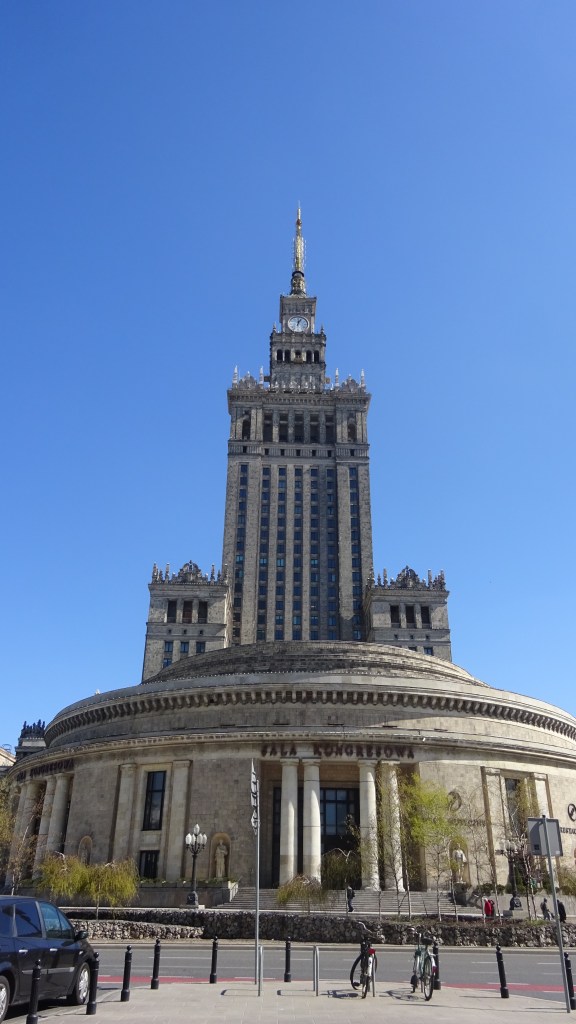
Le Palais de la Culture et de la Science 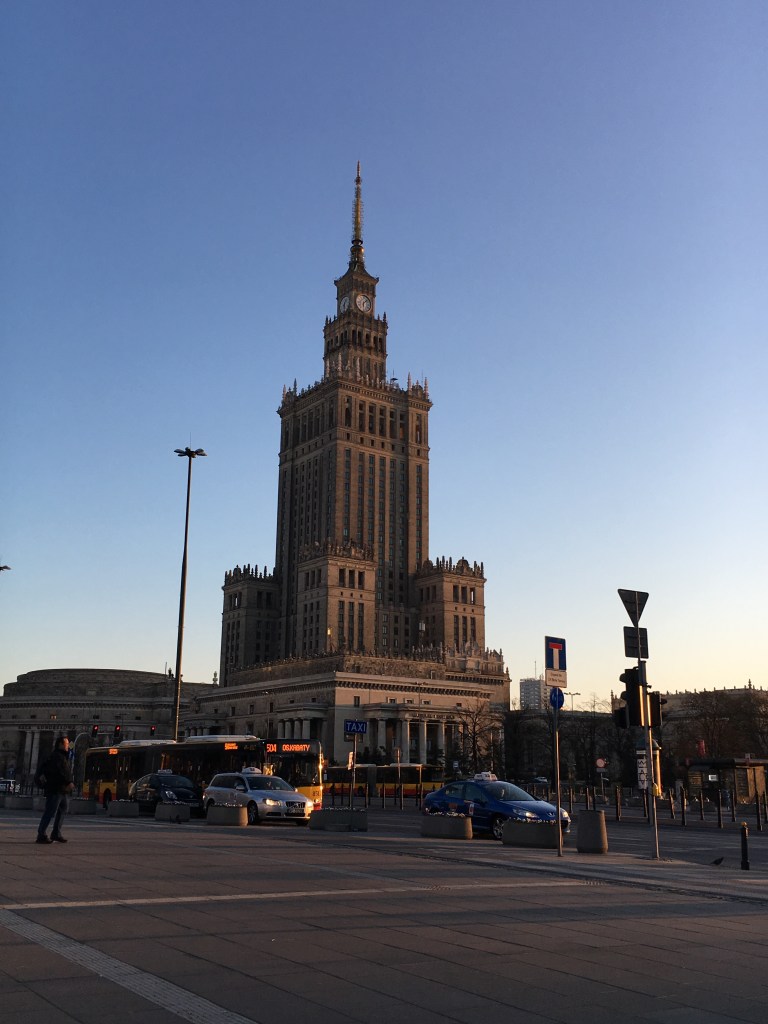
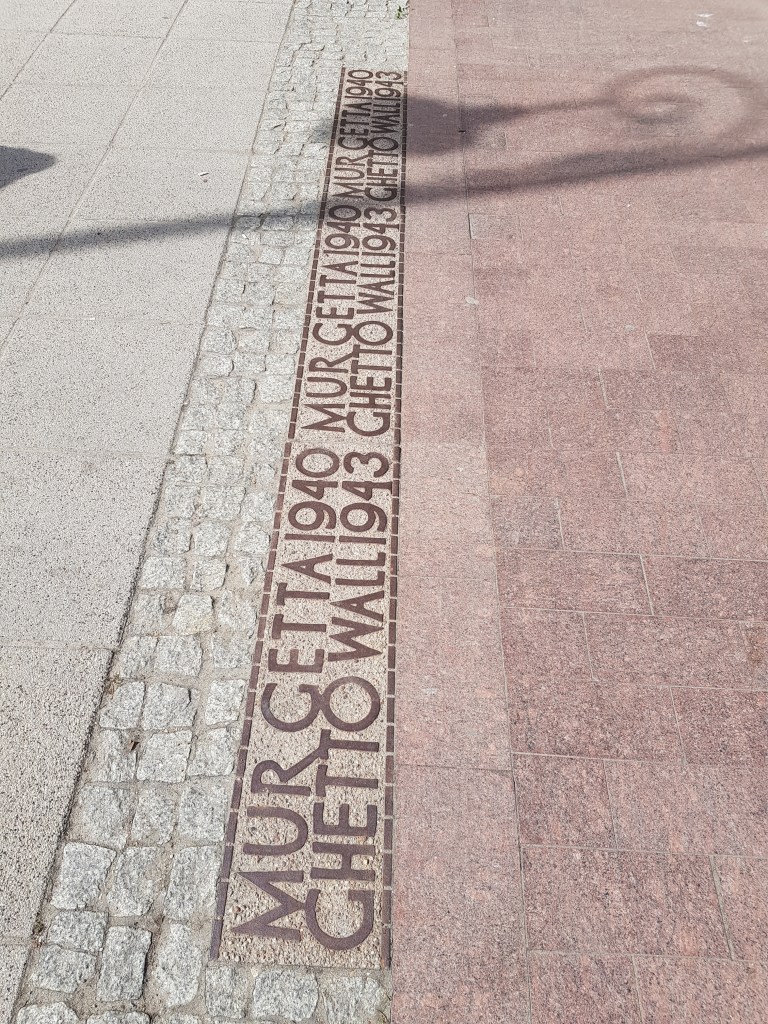
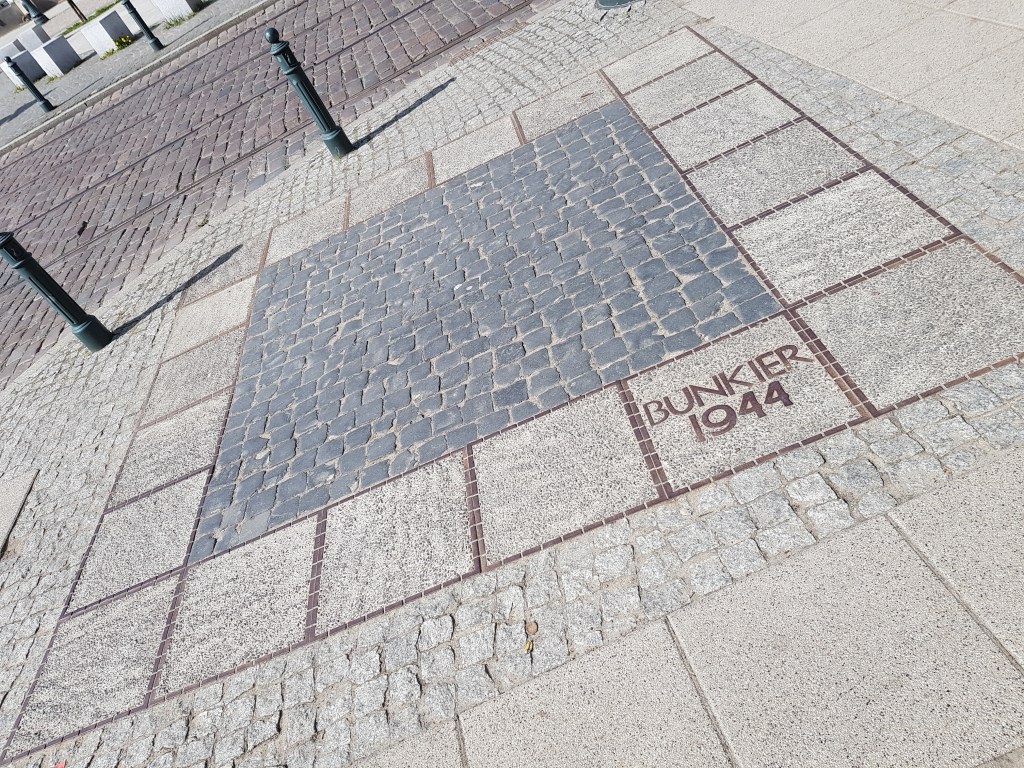
Warsaw was the most devastated city of the Second World War: more than 80% of its surface was left in ruins. As you walk, take some time to look down: ground marks indicates the place where stood the wall of the Warsaw ghetto. Marks also indicate the presence of bunkers during World War II, marks of a city turned into a battlefield that seems to come alive before our eyes.
Signs of the German occupation of the city are also evident throughout the structures belonging to the old ghetto, some of which still standing. Fragments of the wall separating the polish Jews from the rest of the population can be found at several locations in Warsaw. We tried to see one of these sections for ourselves, but either by a navigation error or perhaps a schedule issue, we couldn’t find it. We believe we may have glimpsed a remnant behind a fence but after 30 minutes of walking around the place there was no official entry in sight.
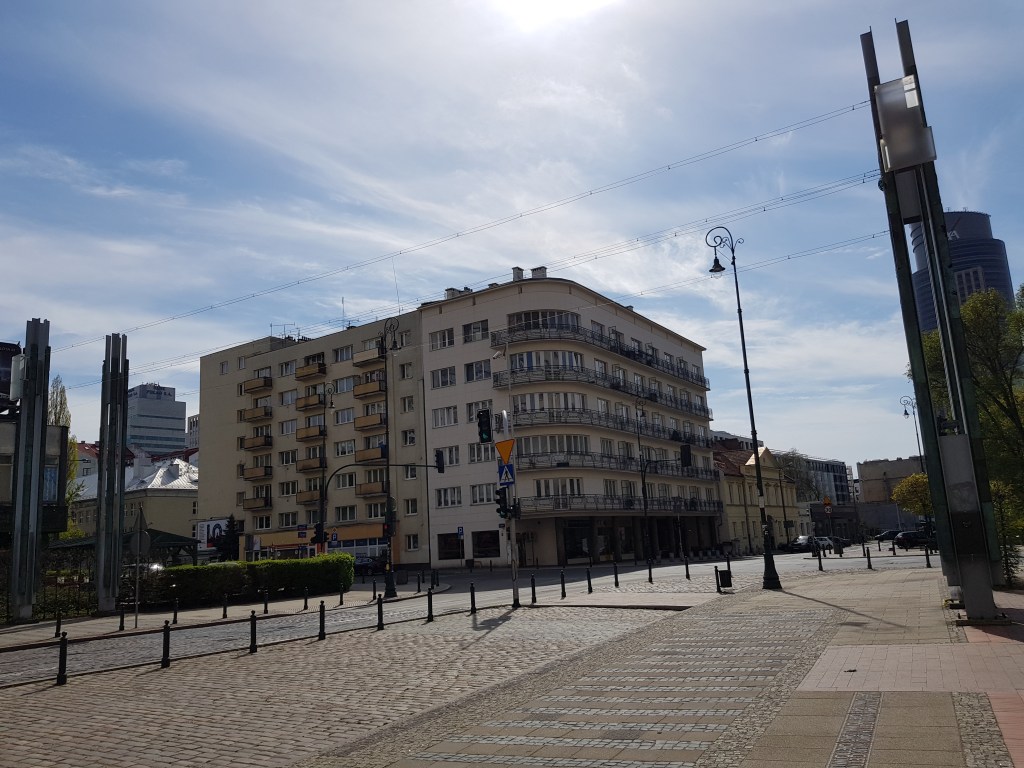
After that small mishap, we managed to get to the Chłodna street, were you can find the footbridge memorial of the Warsaw Ghetto. It was used during the German occupation to connect the areas reserved for Jews and preventing their contact with the rest of the city. Four pillars, two at each side of the street, mark place of the footbridge, crossed by the hundreds of Polish Jews trying to live their lives, isolated within the walls of the Ghetto. The memorial is surrounded by marks indicating the location of the Ghetto walls and of some bunkers (with their respective dates written on the ground); it’s worth to have a look. Get up close to the pillar’s base if you want to get a clearer image of the city under the German occupation.
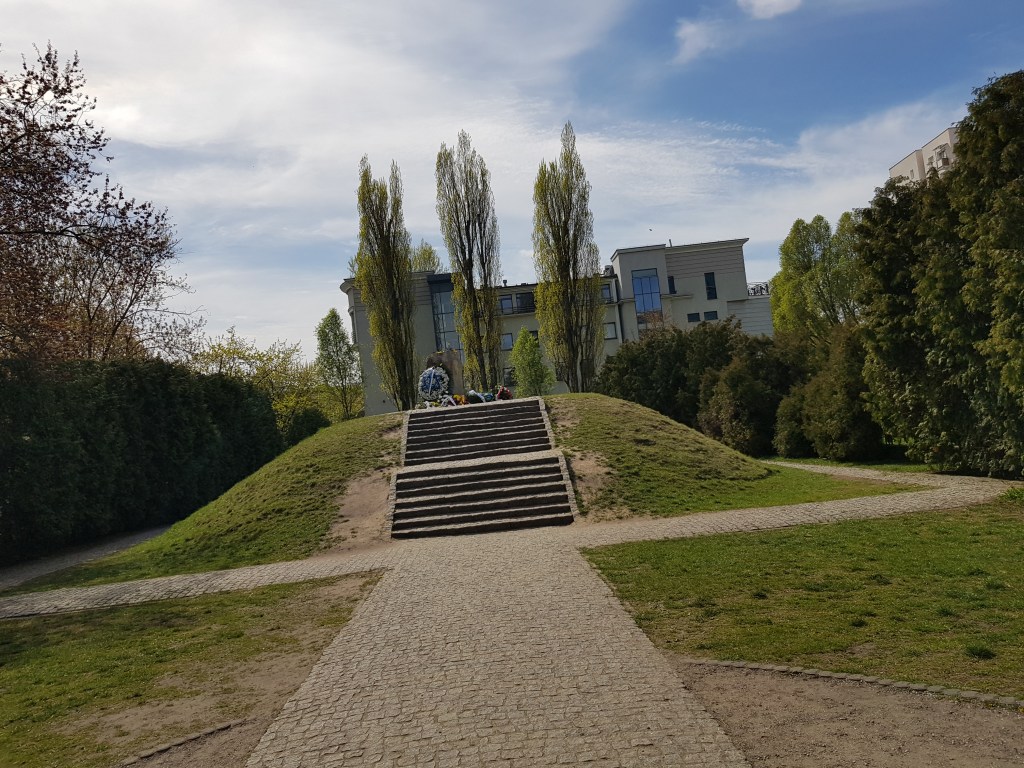
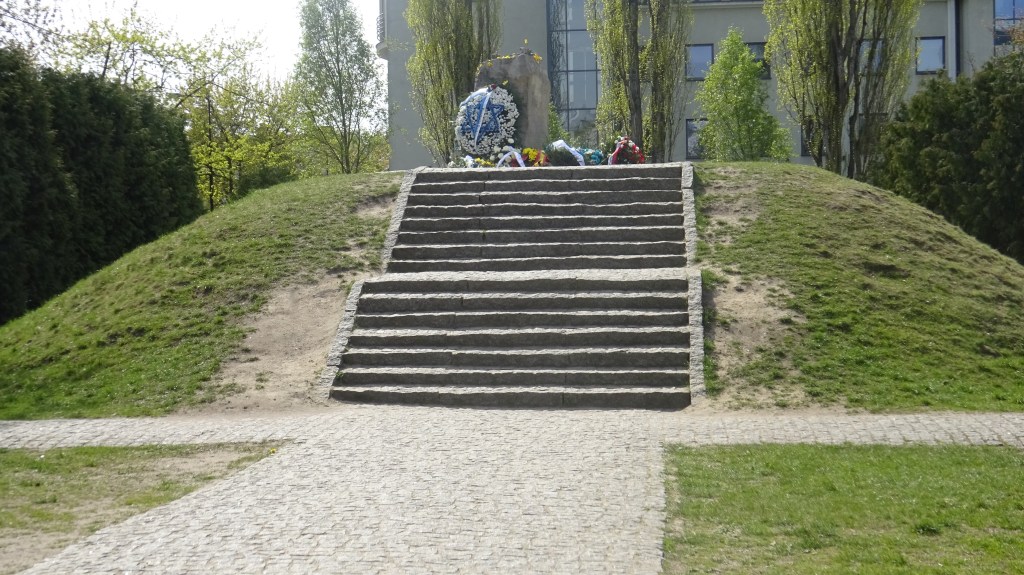
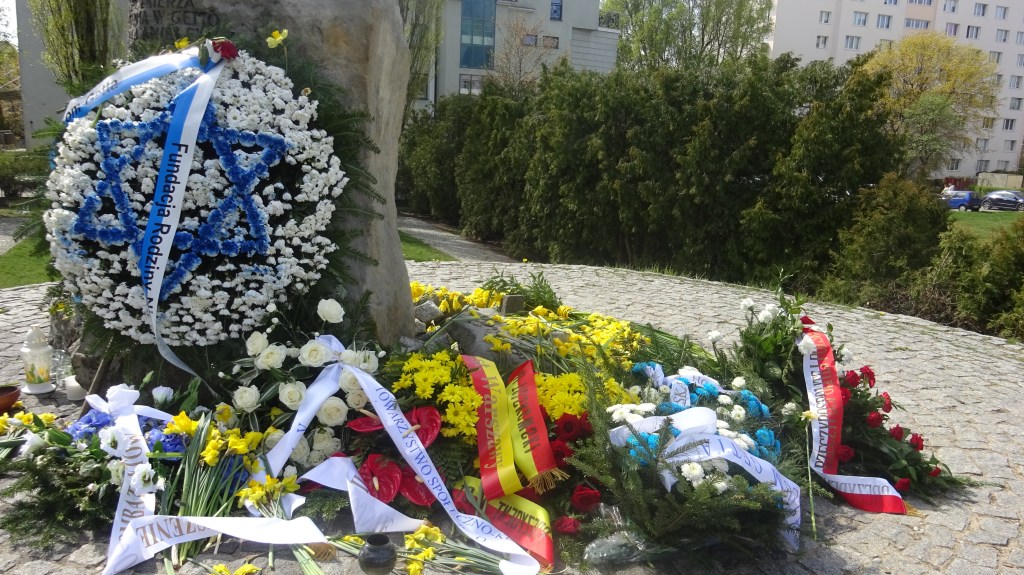
You can also go to the Anielewicz’s Bunker, former headquarter of insurgent Jewish fighters during the Warsaw Ghetto Uprising in 1942 (not to be confused with the Warsaw Uprising, which we will discuss later) and named after insurgent’s commander. The uprising became a defeat due to the assault of German troops. A stone engraved in Hebrew was surrounded by flowers to commemorate the event.
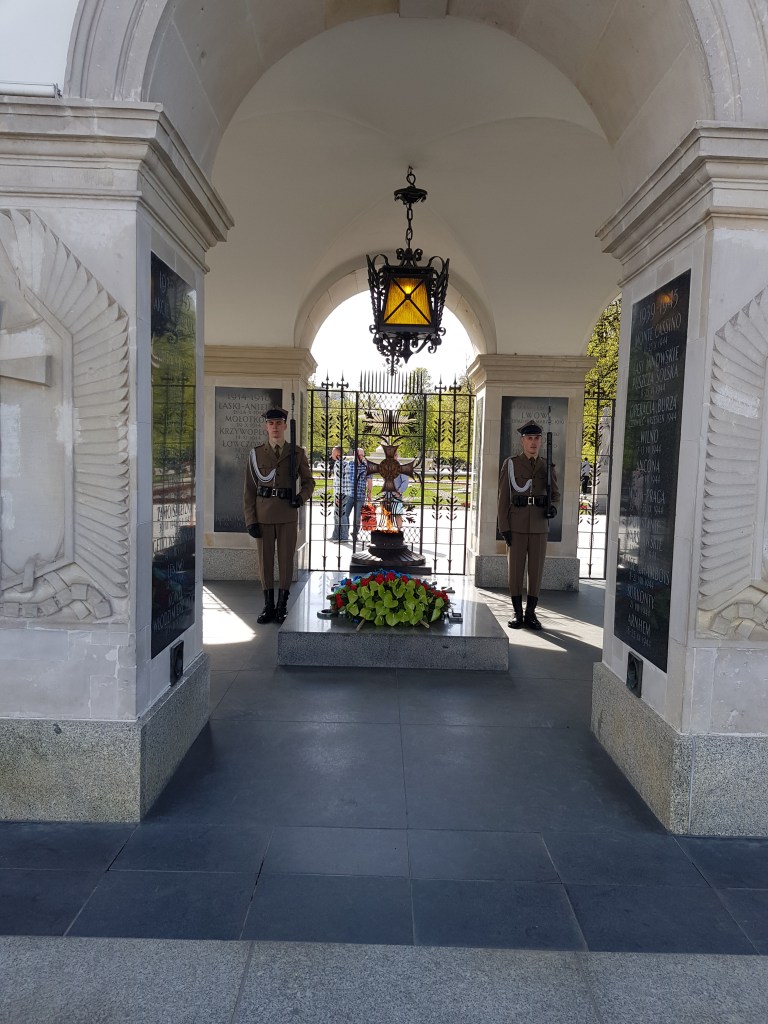
The military history of Poland is evident throughout the city. A monument to the battle of Monte Cassino, a battle of Second World War where polish troups gave the victory to the Allies, can be seen near General Anders Street. However monument not to be missed in this field is the tomb of the unknown soldier, which recalls the battles fought by the Polish army.
The tomb can be found at Piłsudski Square. The Monument is located in the remains of the Saxon Palace, former location of the Polish Ministry of War, which was destroyed by the Wehrmacht during the Second World War. It is dedicated to the soldiers who defended the freedom of the country in many different conflicts and contains urns with dirt coming from all the battlefields of the 20th century where Polish citizens shed their blood. As in most similar remembrance monuments, an eternal flame is kept over the coffin and is protected by two honor guards. If you are interested in the changing of the guard, it normally takes place every day at every hour (although make sure to check this on the day of your visit). During your visit, don’t forget to take a look to the Saxon Garden, just behind the monument, Warsaw’s oldest public park and one of the first urban public parks in the world.
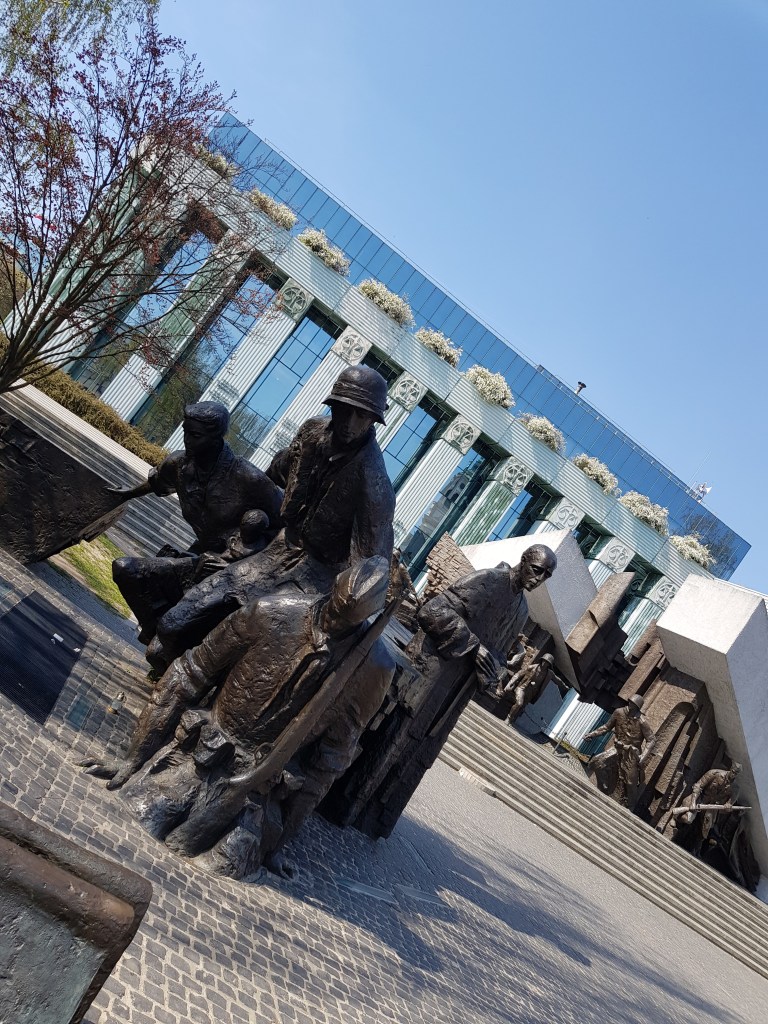
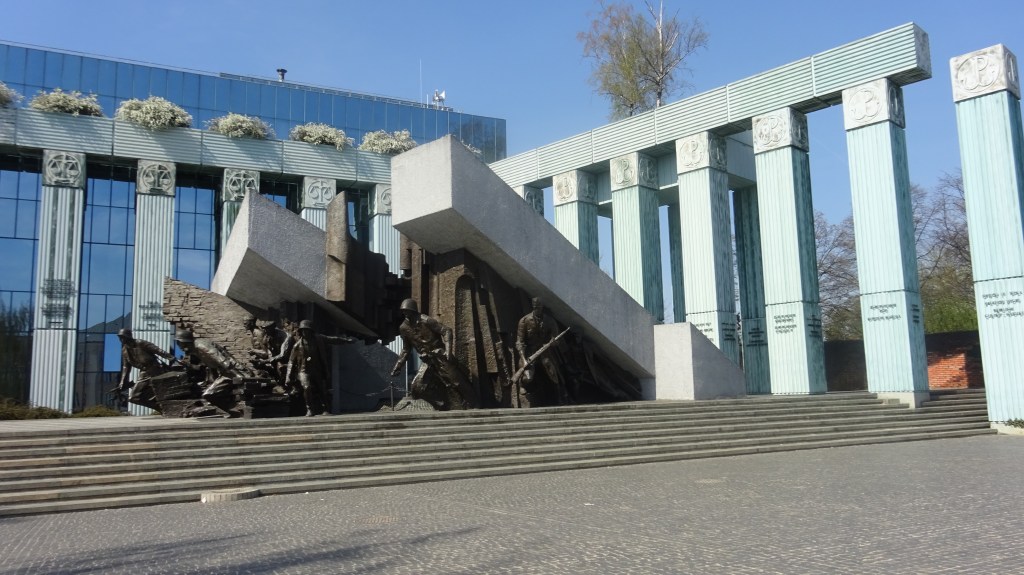
However, one of the most important monuments witnessing the combative history of the country and the city is with a doubt the Warsaw Uprising Monument. Located on Krasiński Square, the monument was unveiled in 1989 to remember Warsaw Uprising in 1944. It was divided into two parts: the first, the smaller one located on the esplanade, represents a priest and three soldiers, one of them getting out from (or perhaps getting in) a sewer. This is a reference to the Polish Resistance troops using this network of tunnels to move across the German-occupied city. The second part, located a little further down the square and elevated over the platform, is ten meters high. It depicts a group of insurgents going into battle, fleeing an abstract representation of a collapsing building. The bronze figures, up to three meters high, are quite spectacular to see, especially up close, and the monument is definitely a visit, especially if you’re visiting the city with a particular interest in its history.
Official websites :
Palace of Culture and Science : http://www.pkin.pl/eng
Translated by 2stepsabroad and Emily Tucker

 2 Steps Abroad
I really liked how there were so many monuments and museums dedicated to all the soldiers and insurgents who fought for their country so as not to forget the countries past.
J’aimeJ’aime
That is indeed what we liked about Warsaw. It is a city which acknowledge the courage of its citizens.
J’aimeAimé par 1 personne